In today's digital landscape, user experience (UX) has become a crucial aspect of software and web design. With countless options available to users, it is essential to create intuitive, engaging, and user-friendly experiences that keep them coming back for more. Whether it's a mobile app, website, or software interface, UX design plays a pivotal role in shaping user interactions and perceptions. In this blog post, we will delve into the significance of UX design, explore usability principles, and highlight some best practices to create exceptional user experiences.
The Importance of UX Design
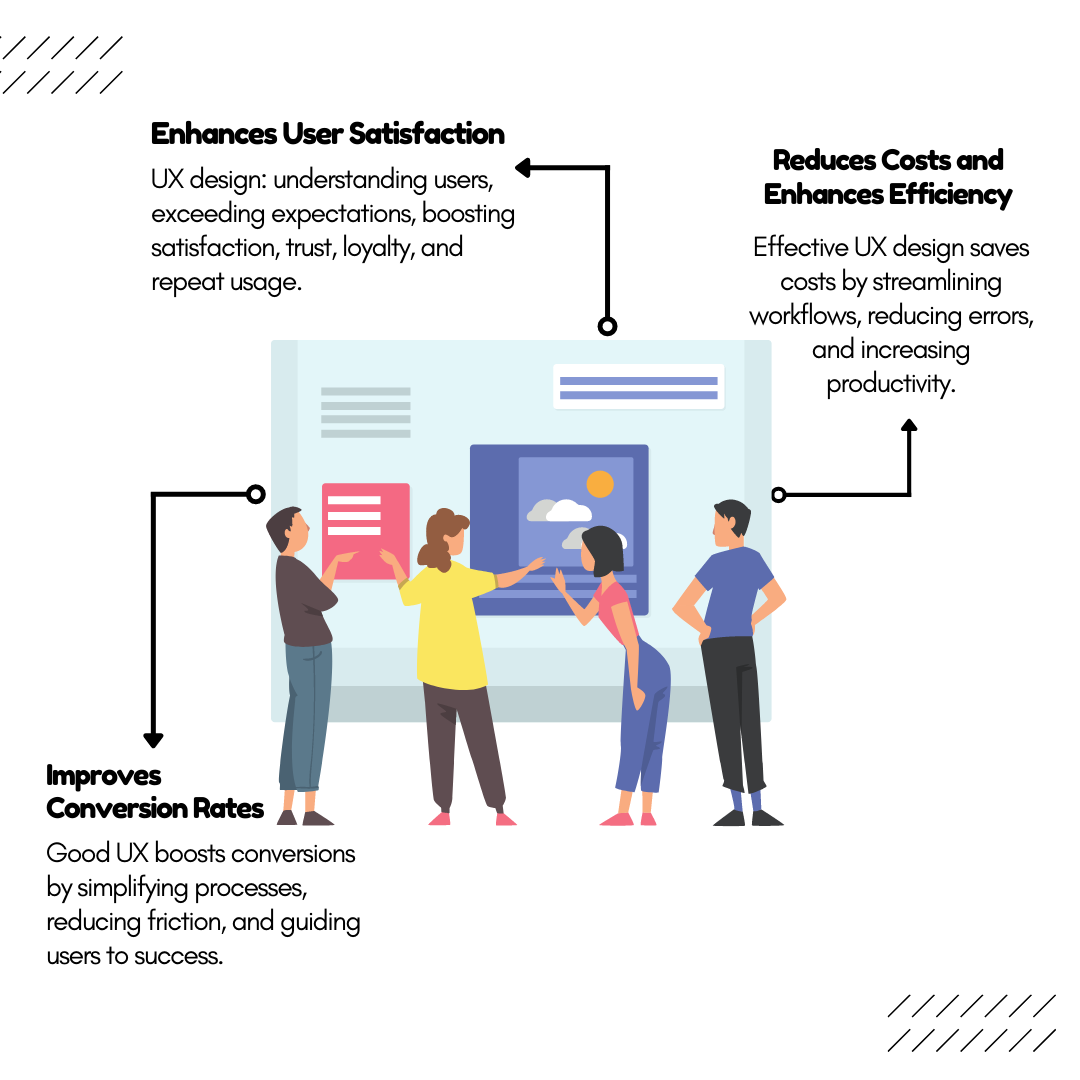
1. Enhances User Satisfaction:
UX design focuses on understanding users' needs, goals, and behaviors. By empathizing with users and creating designs that cater to their expectations, UX designers can enhance user satisfaction. A positive user experience fosters trust, loyalty, and repeat usage.
2. Improves Conversion Rates:
A well-designed user experience can have a significant impact on conversion rates. By simplifying processes, reducing friction, and providing clear calls-to-action, UX design can guide users through a seamless journey, ultimately leading to higher conversion rates and business success.
3. Reduces Costs and Enhances Efficiency:
Effective UX design can save costs in the long run. By identifying and eliminating pain points, streamlining workflows, and reducing errors, UX designers can optimize the efficiency of software and web applications. This, in turn, reduces support costs, user frustrations, and increases productivity.
Usability Principles
To create exceptional user experiences, designers must adhere to fundamental usability principles. These principles guide the design process and ensure that users can interact with the product easily and intuitively. Let's explore some key usability principles:
- Simplicity: Keep designs simple and intuitive. Users should be able to navigate through the interface effortlessly, with minimal cognitive load. Clear and concise content, minimalistic layouts, and intuitive interactions contribute to a positive user experience.
- Consistency: Maintain consistency in design elements such as layout, typography, colors, and interactions across different screens or pages. Consistency reduces cognitive friction, improves learnability, and helps users build mental models of the interface.
- Visibility: Ensure that users can easily understand the system's status, available actions, and navigation options. Clear visual cues, appropriate feedback, and visible navigation elements contribute to better user engagement.
- Feedback: Provide timely and relevant feedback to users. Inform them about the outcome of their actions, system responses, and errors. Feedback reassures users, helps them make informed decisions, and promotes a sense of control.
Best Practices
While UX design is a vast and ever-evolving field, certain best practices can help designers create impactful user experiences. Here are some best practices to consider:
- User Research: Conduct thorough user research to gain insights into user needs, preferences, and pain points. Understand your target audience, their demographics, and behavioral patterns. User research helps in making informed design decisions and creating user-centered experiences.
- Wireframing and Prototyping: Before diving into the visual design phase, create wireframes and interactive prototypes. These low-fidelity representations allow designers to test and iterate on the user flow, validate design decisions, and gather feedback early in the process.
- Mobile Optimization: With the proliferation of mobile devices, it's crucial to optimize user experiences for various screen sizes. Design responsive interfaces that adapt to different devices, ensuring consistency and usability across platforms.
- Usability Testing: Regularly conduct usability testing sessions to evaluate the effectiveness of your design. Observe how users interact with your product, identify pain points, and gather insights to refine the user experience.
- Iterative Design: UX design is an iterative process. Continuously gather user feedback, measure user behavior through analytics, and make data-driven design decisions. Iterate on your design based on insights gained from user testing and analytics.
Conclusion:
User experience (UX) design plays a vital role in creating successful software and web applications. By focusing on user needs, preferences, and behaviors, UX designers can craft intuitive, engaging, and user-friendly experiences that drive user satisfaction, improve conversion rates, and reduce costs. By adhering to usability principles and following best practices, designers can create exceptional user experiences that keep users coming back for more. Embrace the power of UX design, and unlock the potential to delight and engage your users like never before.